Opportunities for Southern African timber exporters?
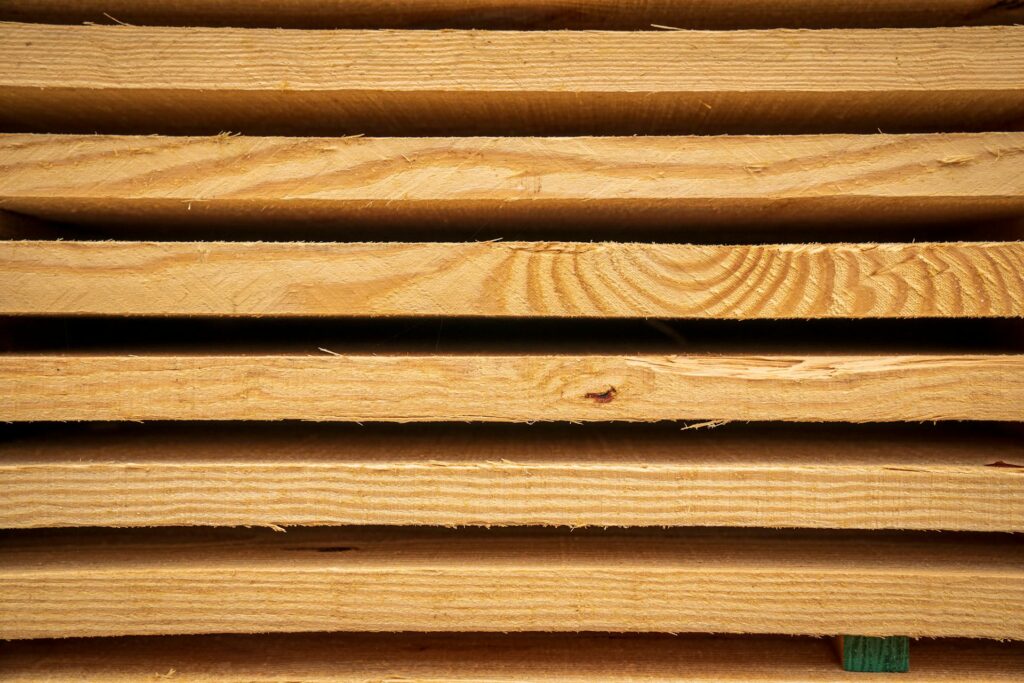
Stricter CITES (Convention on International Trade in Endangered Species) regulations on African tropical hardwoods are creating market gaps that plantation-grown timber from Southern African countries such as South Africa, Eswatini, and Mozambique can fill.
With export quotas and permit delays affecting high-value species like Khaya (African Mahogany) and Afzelia (Doussié), buyers are seeking CITES-exempt "look-alike" or "perform-alike" alternatives.
Plantation-grown pine and eucalyptus are exempt from CITES Appendix II requirements. While tropical exporters are stuck in "Non-Detriment Finding" (NDF) paperwork, Southern African timber exporters may be able to move product faster.
International buyers are increasingly risk-averse. Because commercial natural forest harvesting is becoming legally risky, capital is shifting. Plantation-grown certified timber is an easier sell for corporate ESG (environmental, social, and governance) and Millennium goals.
Kiln-dried, treated, and structurally graded Southern African Pine hybrids can target premium markets rather than pallets and low-end furniture. Eucalyptus hybrids offer a sustainable option for hardwood construction and outdoor furniture traditionally dominated by tropical hardwoods.
Investment in engineered wood products (EWP), such as cross-laminated timber (CLT) panels and laminated beams (mass timber), or even thermally modified wood, could further enhance competitiveness without the CITES baggage.
Whether FSC or PEFC, forest and chain-of-custody certification is a baseline requirement to compete with, for example, imported US hardwoods, which are aggressively marketed as "low risk".
