



John Deere celebrates 60 Years of innovation and introduces Africa’s next generation skidders
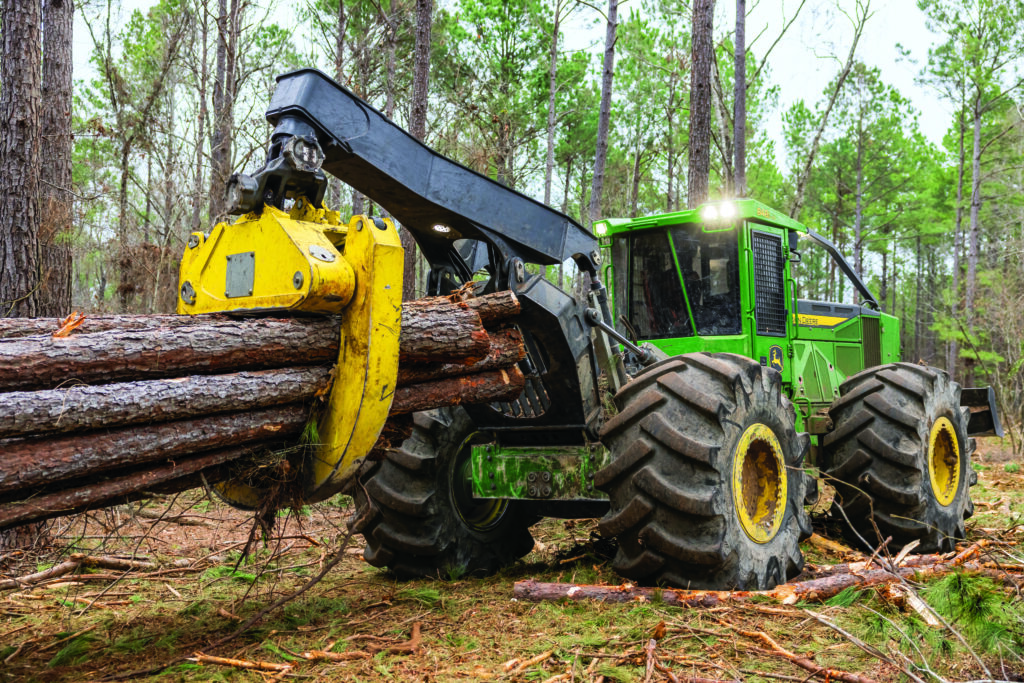
When John Deere introduced its first purpose-built skidder, the 59 hp JD440, 60 years ago, it marked the beginning of a new chapter in mechanised timber extraction. The legacy continues with the unveiling of the next-generation L-III Series skidders and two larger grapple skidders for Africa: the 848L-III and 948L-III.
From the early cable skidders to today’s high-horsepower grapple machines, the evolution is driven by one constant: helping foresters move more wood, more efficiently, in increasingly demanding conditions.
The transition from the L-II Series to the L-III generation represents a focused refinement rather than a complete redesign. The proven powertrain architecture and structural strength of the L-II platform remain at the core, while key enhancements have been introduced to improve operator experience, visibility, control, and uptime.
For foresters familiar with the L-II machines, the L-III Series delivers measurable improvements in the areas that most directly affect productivity and daily performance.
Operator-centric
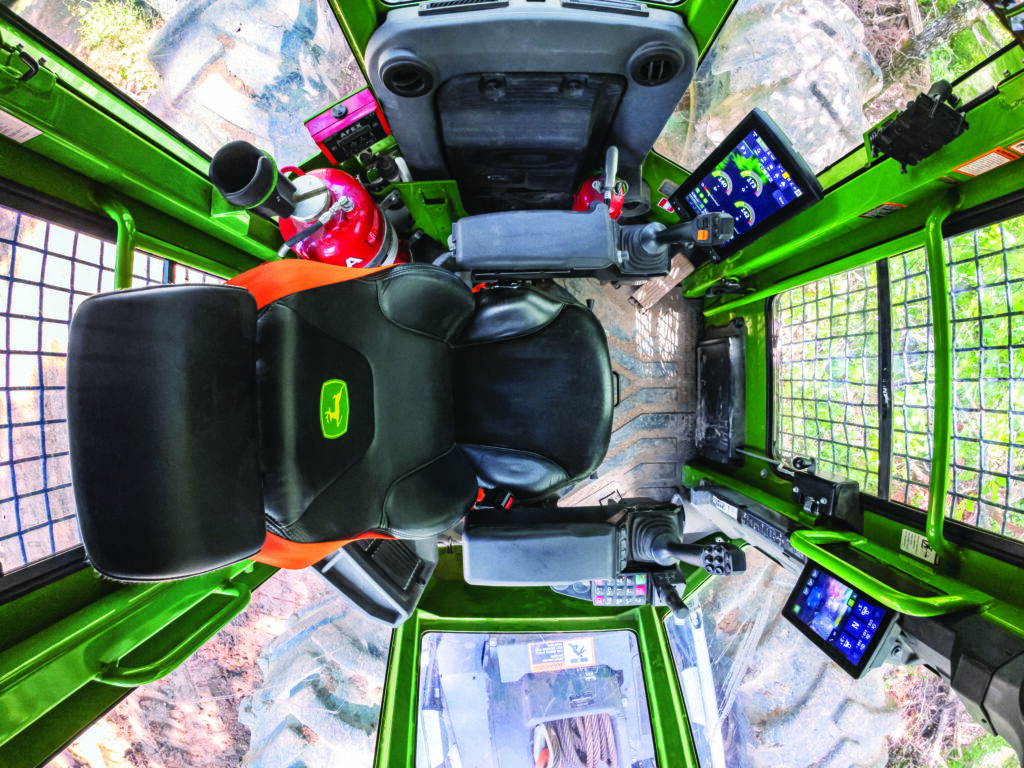
Forestry operations demand long hours in challenging terrain. Recognising the impact of operator fatigue on productivity, the L-III Series introduces meaningful cab upgrades compared with the L-II models.
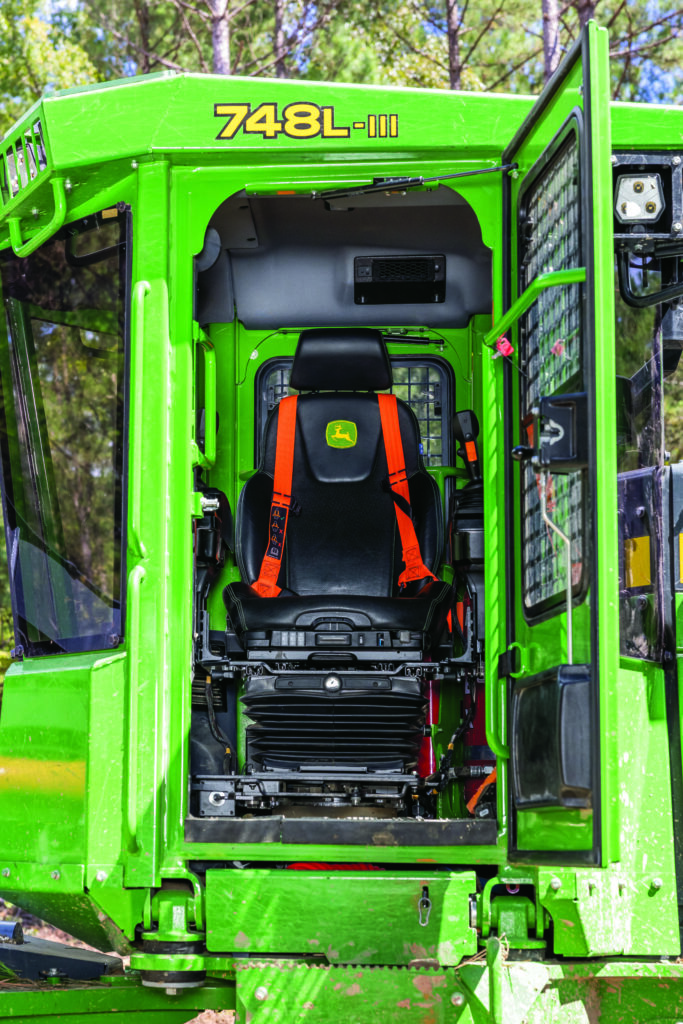
A redesigned ergonomic seat with improved cushioning comes standard, while an optional heated and ventilated leather seat with 7-way adjustment supports operators during extended shifts. Three seating orientations, forward-facing, rear-facing, and a new right-side door-facing position, improve visibility and manoeuvrability, particularly in tight plantation rows or uneven terrain.
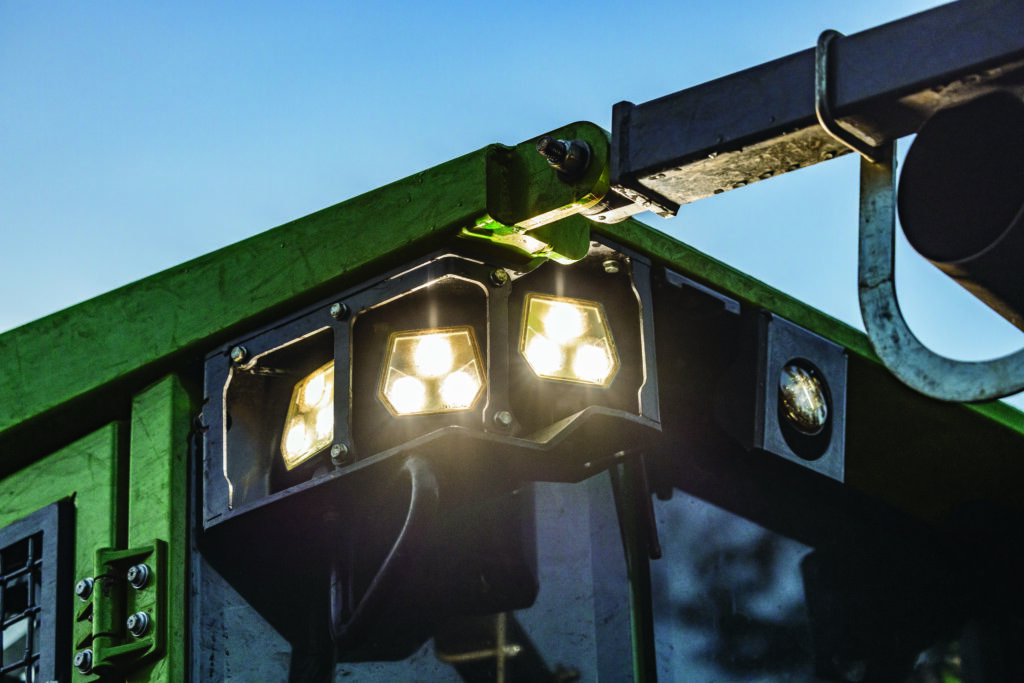
Cab noise levels have been reduced, ergonomics refined and upgraded LED lighting improves visibility during early-morning or late-day operations. Together, these updates contribute to sustained productivity across a full working shift.
Jobsite awareness
The L-III generation introduces enhancements designed to increase operator precision and situational awareness.
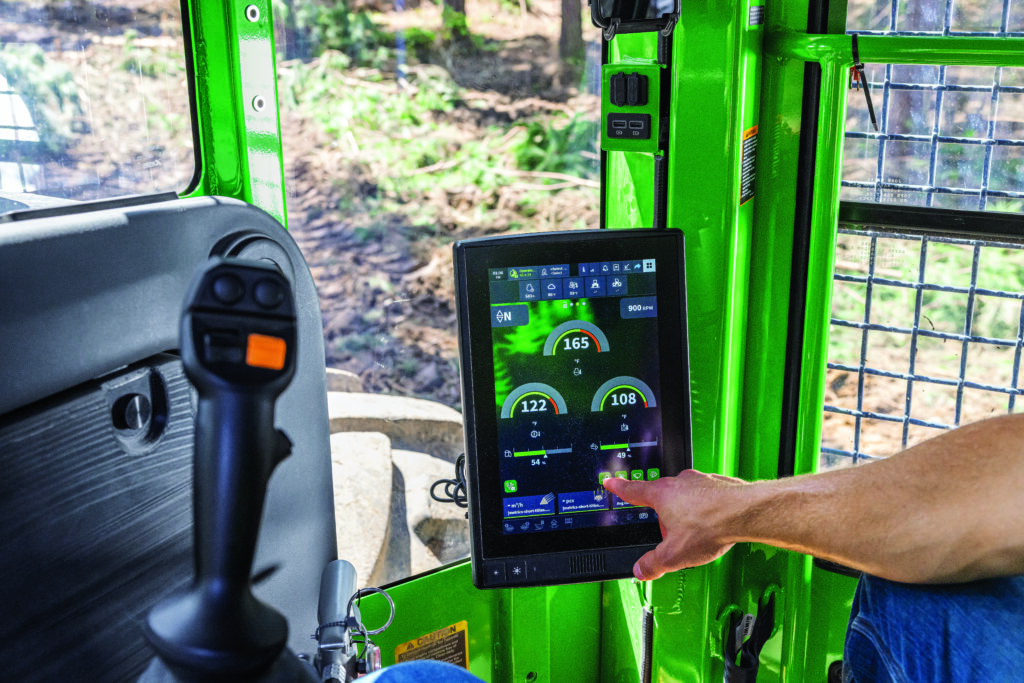
A premium blade-view camera and secondary touchscreen display provide clear visual feedback when positioning the grapple or blade. Integrated cameras and enhanced lighting reduce blind spots and support safer, more accurate skidding and stacking.
For foresters, improved visibility directly influences cycle times, reduces errors at the landing, and supports safer operation in steep slopes, plantation row crops, or dense indigenous forests common across parts of Africa.
Proven powertrain
At the heart of the L-III Series remains John Deere’s proven Continuously Variable Transmission (CVT), carried over from the L-II platform.
The CVT automatically adjusts torque without manual shifting, delivering smooth power transfer and consistent engine performance under load. The result is smoother operation, improved fuel efficiency, and reduced driveline wear. These advantages are valuable in soft soils, heavy drag conditions, and steep gradients.
On selected models, steering sensors help cushion articulation at full lock, improving stability and operator confidence when navigating rough or rutted terrain.
Grapple skidders for Africa
A significant development for Africa is the introduction of the 848L-III and 948L-III grapple skidders.
These larger models are engineered for foresters prioritising higher production volumes and heavier timber loads. Both feature 9.0-litre engines paired with CVT, while the 948L-III delivers up to 300 hp.
They come standard with Outboard-Extreme axles, designed with larger internal components to enhance durability and machine stability when hauling substantial payloads. Optional grapple sizes reach up to 1.77 m² on the 848L-III and 2.07 m² on the 948L-III, the largest in the L-III lineup.
For operations involving long extraction distances, steep plantations, or high-volume harvesting, these additions provide the capacity and stability required to maximise productivity per skid.
Uptime is critical
Across Africa’s forestry regions, uptime is critical, particularly in remote operating environments.
The L-III Series incorporates enhanced onboard diagnostics, Machine Health Monitoring, and John Deere Connected Support features that allow remote diagnostics and faster issue resolution. Simplified service access points further reduce maintenance time, helping keep machines working.