




Meet six young women who are turning science into sustainability solutions

International Day of Women and Girls in Science - 11 February
JOHANNESBURG – 10 February 2026 – South Africa’s pulp and paper sector has been opening doors for a growing cohort of young women who apply science and engineering to making the circular bioeconomy a reality.
Over the past 15 years, the Master’s in Engineering bursary and research programme, established by the Paper Manufacturers Association of South Africa (PAMSA), has seen several young women pursue postgraduate studies in chemical engineering, wood science and related disciplines.
“As a sector centred on the renewability of wood-derived products such as cellulose, paper, packaging and tissue, our students’ research projects enable our members to improve efficiencies and close the loop in the manufacturing process,” says Jane Molony, executive director of PAMSA.
The range of research projects is vast – from putting process by-products and waste streams such as lignin, sludge and even food waste to higher value use – to optimising water and energy efficiency.
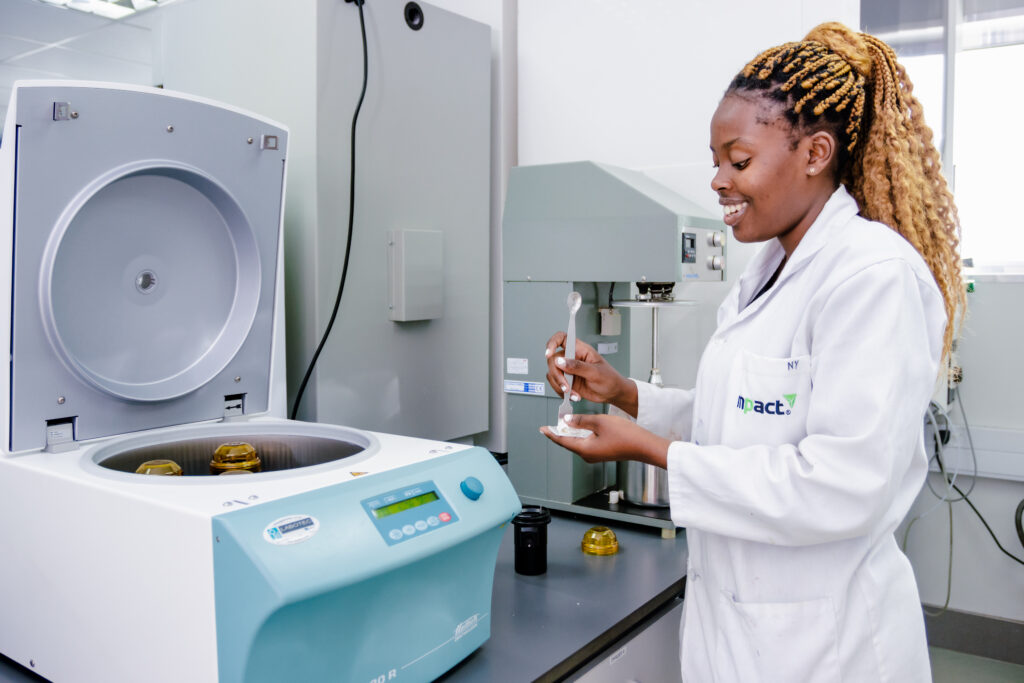
“One of our earlier students is Sonja Boshoff, who graduated from the programme in 2015. She is a thriving process engineer in an all-female team at Mpact that is passionate about incorporating innovative technologies and practices to ensure both sustainability and profitability,” says Molony.
Boshoff was instrumental in kick-starting the early research that ultimately led to a bioethanol production project using sludge from the pulp and paper industry. “Paper sludge is rich in organic material such as cellulose, making it a promising feedstock for bioethanol production,” Boshoff explains. Bioethanol serves as a platform chemical in the production of industrial chemicals, bio-based plastics and even sustainable aviation fuel.
“The launch of a bioethanol demonstration plant in 2024 marked the culmination of more than a decade of research by Stellenbosch University’s Department of Chemical Engineering and its Bioresource Engineering research group, which Boshoff was part of,” notes Molony.
Upon completion of her master’s project, Boshoff moved on to the Mpact Innovation Centre in Stellenbosch where she did further research on alternative technologies for the recovery of energy from waste.
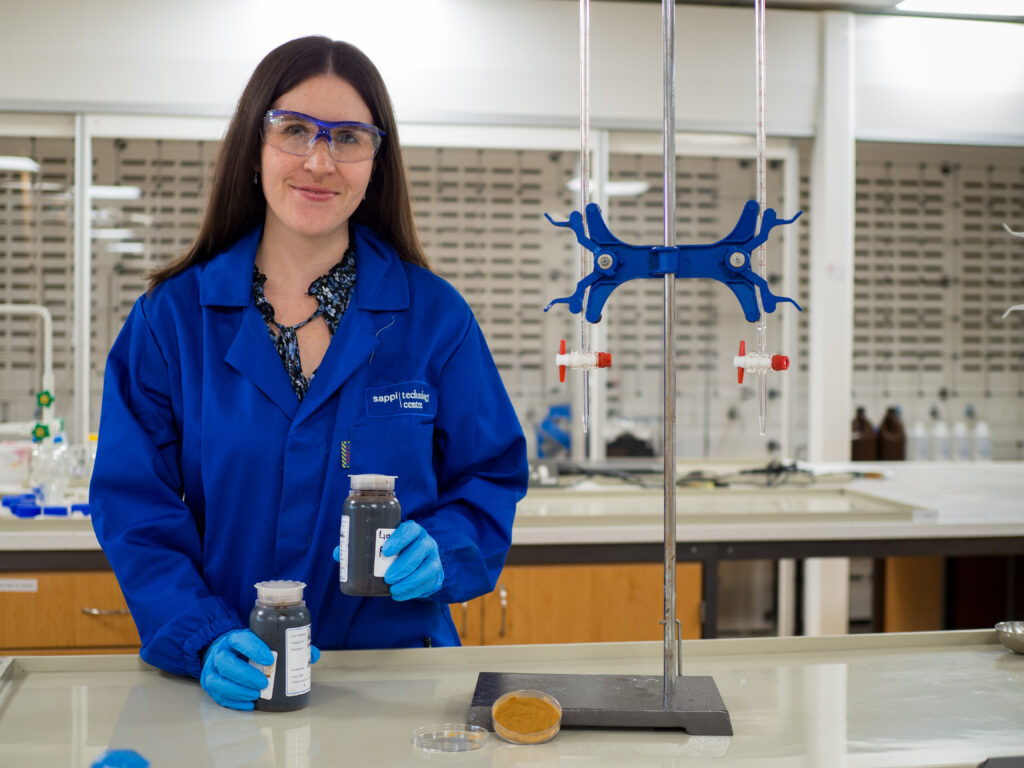
Leane de Beer, who completed her MSc in Chemical Engineering at North-West University in 2020, explored a more cost-effective purification method for lignosulphonate, a lignin-derived by-product of the pulping process. Her work focused on converting what is typically a low-value material into higher-value applications, supporting the circular bioeconomy and reducing reliance on fossil-based inputs. Further work on lignin is ongoing at the Sappi Technology centre and Naude is now progressing in her career as a chemical engineer, working on environmental projects, life cycle assessments, simulation modelling and water management plans.

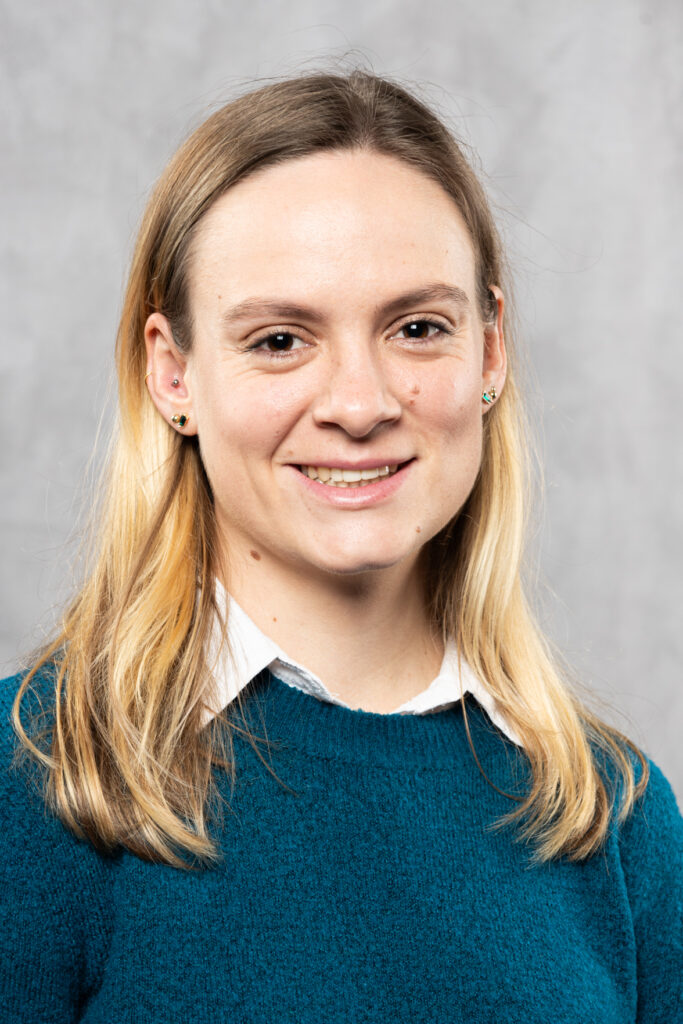

A junior process engineer at Mpact, Mahlogonolo Mafela looked how to optimise energy usage in the paper manufacturing process by researching different levels of vacuum pressure and time to get the optimal dryness of pulp during the formation of paper. She explains that when the mixture is exposed to the vacuum, water can be removed; much like squeezing a sponge filled with water. “We are basically using a vacuum to squeeze as much water as possible, so I wanted to reduce the energy consumption required by the vacuum pressure process but still optimise water removal,” says Mafela.
Kelly Campbell, who holds a BEng in Chemical Engineering and is completing her MEng at Stellenbosch University, is focusing on food waste fermentation for ethanol production. Her work responds to the growing challenge of organic waste destined for landfill.
Instead of going to landfill, this waste could be converted into ethanol through fermentation,” Campbell explains. “That diversion reduces landfill emissions and creates a high-value product with potential in the chemical and transport sectors.” Campbell is currently working at Mpact as an engineer-in-training.
Lerato Tau will be graduating with her master’s at the University of Pretoria this year. “For my project I used thermogravimetric analysis (TGA) to measure how certain materials used in the papermaking process behave when heated. Her project sought to study the make-up and thermal stability of feedstocks, process materials and final paper products.
“In simple terms, I’m heating up paper materials and watching how they lose weight as they get hotter,” Tau explains. “Different components break down at different temperatures, which shows up as patterns on a graph. This tells me exactly what the material is made of – how much hemicellulose, cellulose, lignin and char it contains.”
The beauty of her method is its efficiency. Traditional laboratory tests to analyse paper materials can take three days and require dangerous chemicals. Tau’s heat-based approach delivers the same information in about six hours, making it safer, faster and more practical for the industry.
Another example of the circular bioeconomy in action is the work of Gabriela Carzola, now a process engineer in training at an engineering firm. Her master’s project through Stellenbosch University, which recently earned her a distinction, explored methods to convert papermaking reject material into a slow-release fertiliser for trees in commercial forestry plantations.
“The work of these incredible women demonstrates how our sector is driven by sustainability and innovation,” Molony concludes. “By investing in women and girls in STEM fields, we are strengthening the forest-products value chain, supporting a circular bioeconomy with low-carbon alternatives and ensuring that we build a pipeline of young women for our sector’s future.”
ends
| This article was supplied by Frog Communications. |