





SA’s forestry industry advised to focus on its successes
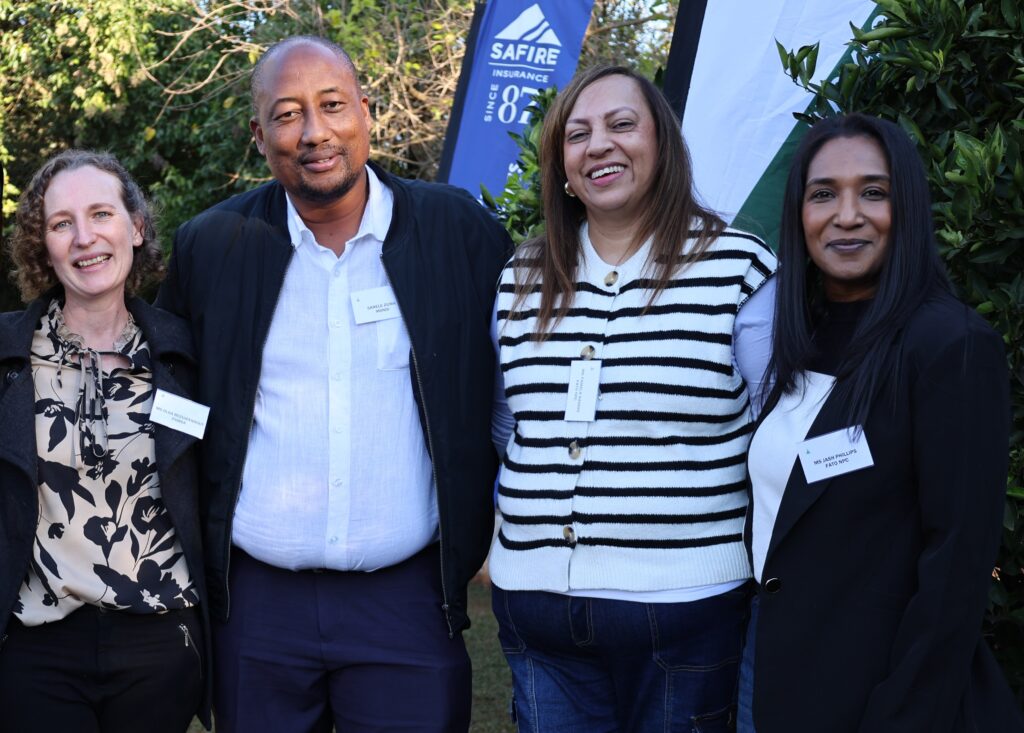
Forestry South Africa’s annual general meeting offers a glimpse into a rural industry that may be small in national agricultural terms, yet its resilience, ability to build relationships within and beyond its value chain, and depth of leadership make it highly influential in national policy and strategy.
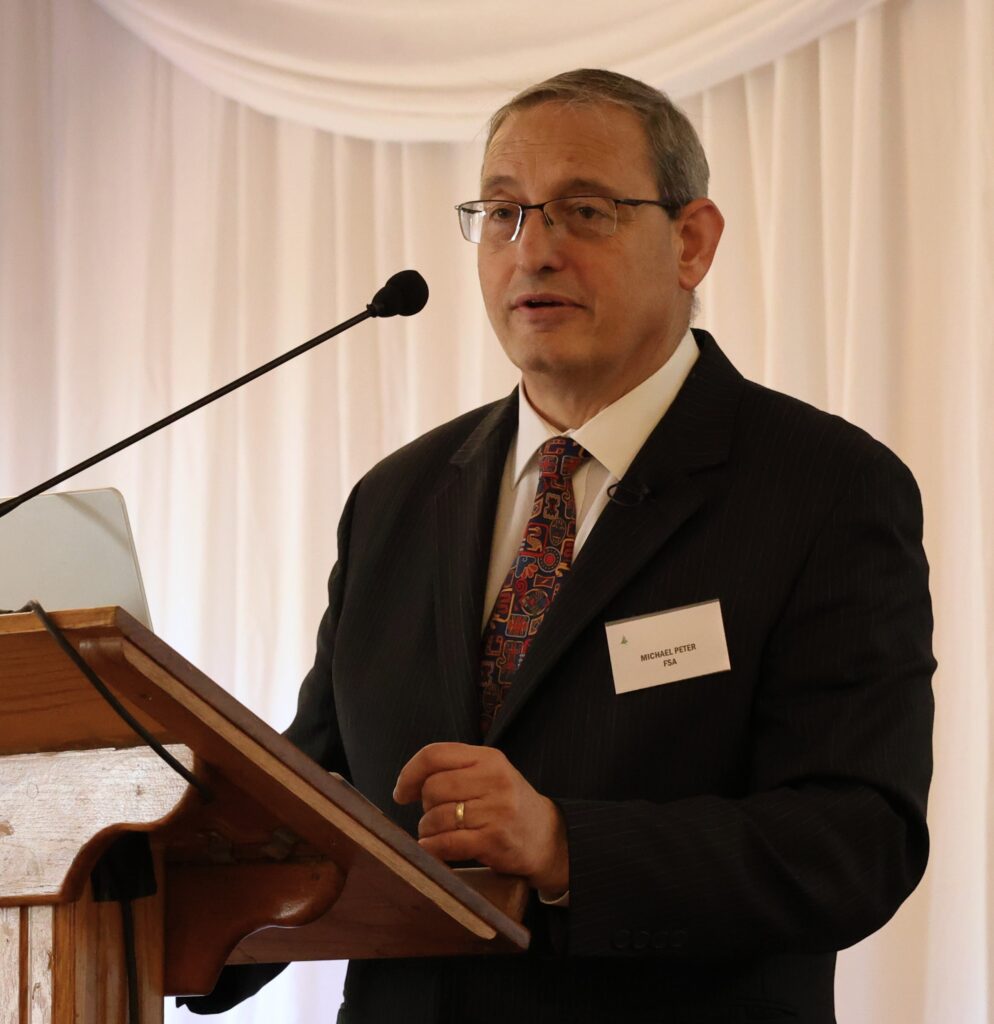
JP Landman, the keynote speaker at the AGM in June, aptly described the industry as “punching way above its weight”. In his address, Michael Peter, FSA’s CEO, highlighted some of the many strategic objectives achieved over the past year.

These included:
- The new 100% diesel rebate system, which will be implemented from 1 August 2026, up from the previous 80%, with several additions for forestry, will save FSA’s members about R200 million a year.
- A landmark block exemption from the Competition Commission that allows FSA, its members and Transnet Freight Rail to share commercial information to improve rail services and efficiency.
- FSA was instrumental in securing a greatly simplified and achievable European Union Deforestation Regulations (EUDR) compliance framework, ensuring that market access remains secure as the EUDR is implemented.
- FSA and Croplife SA successfully challenged the Pest Control Operator (PCO) Regulations in the High Court and were granted exemptions for their members. They can legally continue to purchase, handle, and apply agricultural remedies without registering as a PCO or having a PCO permanently supervising on-site.
- FSA successfully appealed to the Minister of Agriculture, Land Reform and Rural Development to intervene in the Office of the Registrar to speed up applications for registering chemicals.
- The Sustainable African Forestry Assurance Scheme (SAFAS) achieved full accreditation from the Programme for the Endorsement of Forest Certification (PEFC) for its Landscape Certification Standard, placing SA among a select group of global leaders.
- FSA and its members intensified engagement with the police and national defence services to strengthen coordination and improve enforcement outcomes, thereby preventing the high incidence of timber theft, plantation arson, illegal mining, equipment theft, and illegal hunting that threatens worker safety, investor confidence and rural economies.
- The industry spends close to R172 million a year on research and development, of which the government contributes only 20%. The industry’s investment currently accounts for 1.6% of the sector's GDP (the national average is 0.73%) and includes research to quantify water use, water quality and conservation. It is therefore ridiculous that the Department of Water and Sanitation (DWS) wants to implement a water research levy on the forestry industry.
- The Forestry Graduate Employment Programme is strongly supported by FSA members who host graduates.
- The Performance-Based Standards (PBS) trucks initiative has been extended to the end of 2027.
- The forestry sector maintains a level 3 B-BBEE rating.
Data-driven decision-making
Dr Kabir Peerbhay, Sappi’s Principal Research Officer, impressed the audience with a presentation on Sappi’s drone programme. He said the programme aims to use advanced Unmanned Aircraft System (UAS) technology and data processing to inform decision-making across the business.
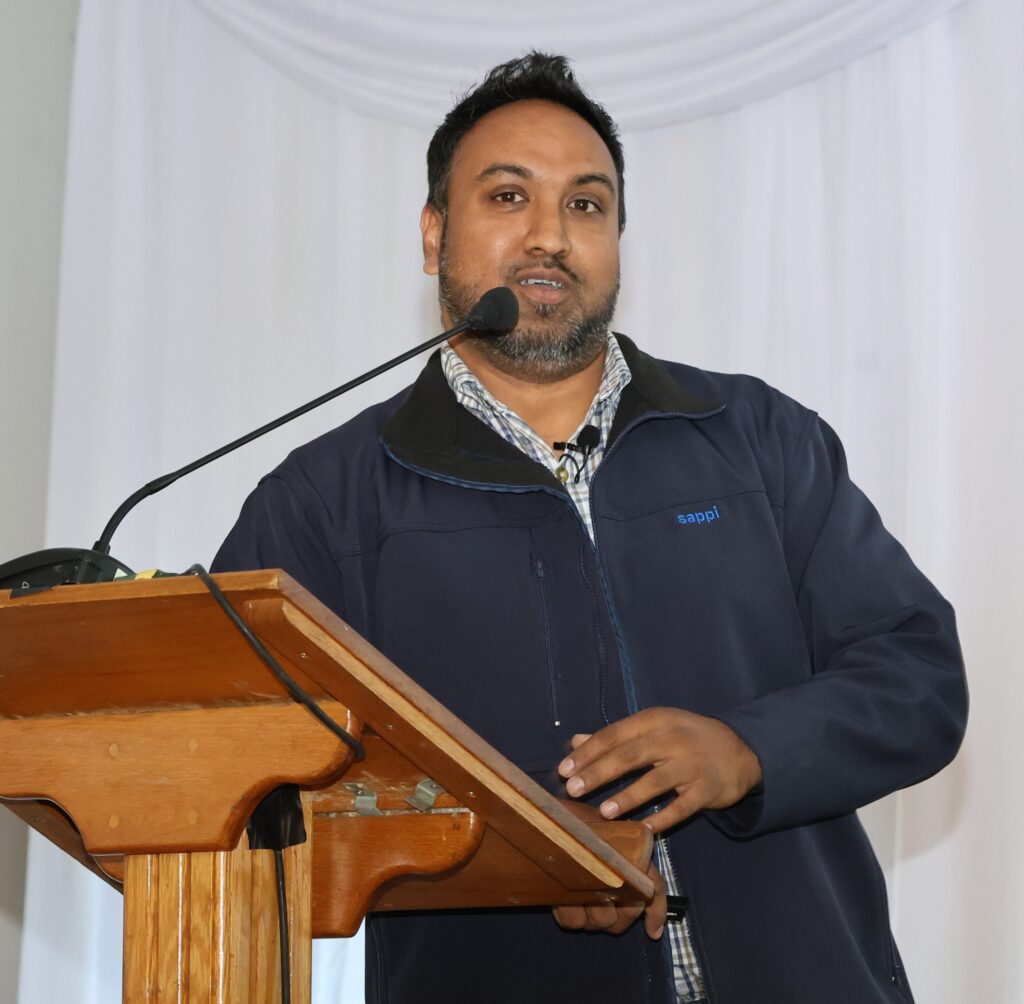

Peerbhay described how useful and strategic automated data gathering beyond visual line of sight (BVLOS), or “out-of-sight” drone data, is. Fixed-wing or hybrid drones can fly kilometres away and run pre-programmed day or night patrol routes for 20 hours or more, streaming real-time thermal feeds of illegal activities such as mining, timber theft, arson and poaching.
Multispectral and thermal sensors can detect compartment-level anomalies such as pest infestations, wood rot, or water stress. Other applications include decision-making data for planning, managing and maintaining forest roads; wetland rehabilitation; indigenous forest management; precision spraying; 3D volumetric forest and harvesting planning; and fire risk management.
Fixate on successes
The final speaker was Duane Roothman, FSA’s outgoing Chairperson. He said that older economic models, such as those by Porter and others, used to drive GDP. “Very little of this still applies. Instead, we must fixate on our successes and build on them to unlock new possibilities. We need less talk and more doing.”
Roothman said he is confident there will be significant changes ahead for the industry and the country. He said the future for FSA and its members always depends on collaboration within and across value chains and on maintaining ethical principles and values.


New Chairperson
The FSA has a rotational chair policy across the three constituent groupings (Large, Medium and Small Growers). The 2026 Chairperson is Andy Mason from the Medium Growers, and the new Vice-Chairperson is Buhle Msweli from the Small Growers Group.


