Opportunities for Southern African timber exporters?
March 31, 2026

Stricter CITES (Convention on International Trade in Endangered Species) regulations on African tropical hardwoods are creating market gaps that plantation-grown timber from Southern African countries such as South Africa, Eswatini, and Mozambique can fill.
 
With export quotas and permit delays affecting high-value species like Khaya (African Mahogany) and Afzelia (Doussié), buyers are seeking CITES-exempt "look-alike" or "perform-alike" alternatives.
 
Plantation-grown pine and eucalyptus are exempt from CITES Appendix II requirements. While tropical exporters are stuck in "Non-Detriment Finding" (NDF) paperwork, Southern African timber exporters may be able to move product faster.
 
International buyers are increasingly risk-averse. Because commercial natural forest harvesting is becoming legally risky, capital is shifting. Plantation-grown certified timber is an easier sell for corporate ESG (environmental, social, and governance) and Millennium goals.
 
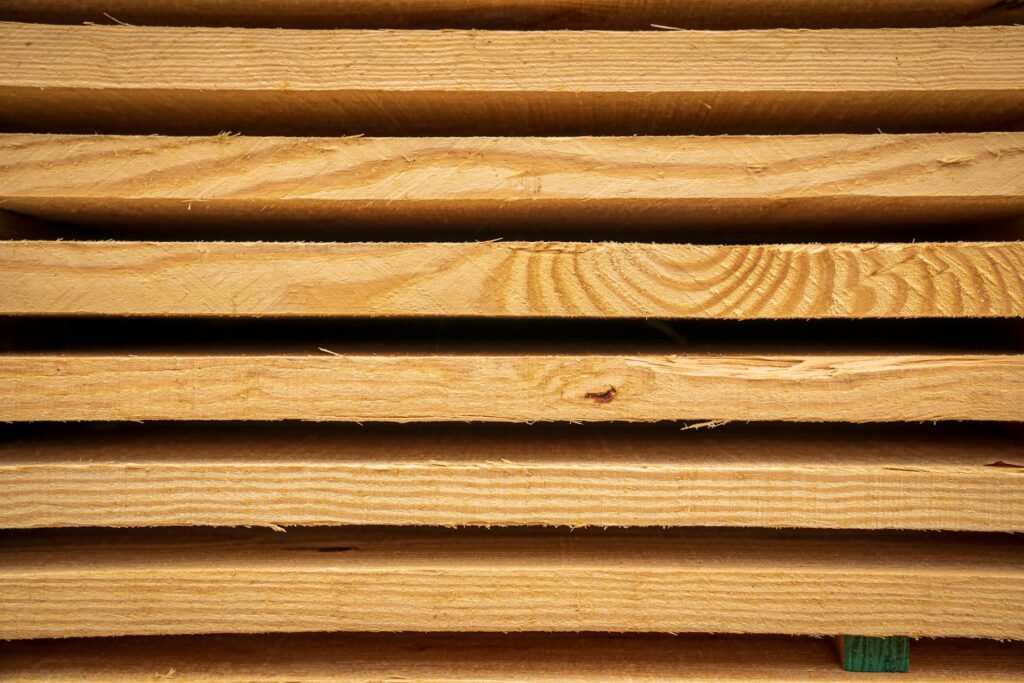
Kiln-dried, treated, and structurally graded Southern African Pine hybrids can target premium markets rather than pallets and low-end furniture. Eucalyptus hybrids offer a sustainable option for hardwood construction and outdoor furniture traditionally dominated by tropical hardwoods.
 
Investment in engineered wood products (EWP), such as cross-laminated timber (CLT) panels and laminated beams (mass timber), or even thermally modified wood, could further enhance competitiveness without the CITES baggage.
 
Whether FSC or PEFC, forest and chain-of-custody certification is a baseline requirement to compete with, for example, imported US hardwoods, which are aggressively marketed as "low risk".

Related Stories

28th September 2026

PLANTING FOR THE FUTURE

Hosted at Greenheart Organics in partnership with Food & Trees for Africa, the 2026 event brought together teams from Durban High School, Weston Agricultural College, Glenwood High School, Westville Boys’ High School and Hillcrest High School for an afternoon that tested their teamwork, speed, efficiency and tree-planting skills.

23rd September 2026

AirForestry: Thinning using drones

Swedish state-owned forest company Sveaskog has signed a seven-year agreement with Swedish start-up AirForestry to carry out drone-based forest thinning from 2028.

23rd September 2026

What Kesla brought to FinnMETKO 2026

Every September, Jämsänkoski in central Finland fills with forestry machinery. FinnMETKO is Finland's largest professional show for construction and forestry machinery, and this year's edition, held from 3 to 5 September, was where Finnish crane and harvester head manufacturer Kesla launched its latest products.

23rd September 2026

The social and economic value of traditional medicine and trees

After many years in forestry and the bioeconomy, I have come to believe that we sometimes make the relationship between people and trees seem shallower than it is.

14th September 2026

Timber Stakeholders to Gather in Pretoria

The conference aims to promote the widespread adoption of timber construction throughout South Africa, highlighting the numerous benefits and exploring the potential of timber construction.

08th September 2026

Willie Stander, CEO of White River Saw Mills: “Our people are our edge”

How does a sawmill without its own log supply survive Covid, a collapsing structural timber market and soaring input costs driven by load-shedding? For the White River Saw Mills (WRSM) Group, the answer lies in its relationships with people.

Sector Organisations

Our latest Issue 63 is available

Check it out
error: Content is protected !!
linkedin facebook pinterest youtube rss twitter instagram facebook-blank rss-blank linkedin-blank pinterest youtube twitter instagram