




My first experience of the Wood Conference



My first experience attending a forestry-related event was nothing short of spectacular.
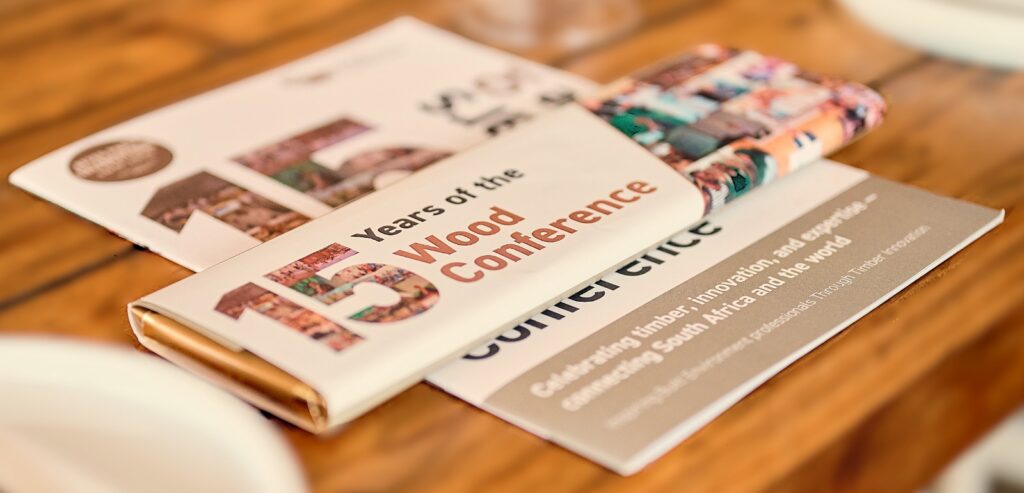
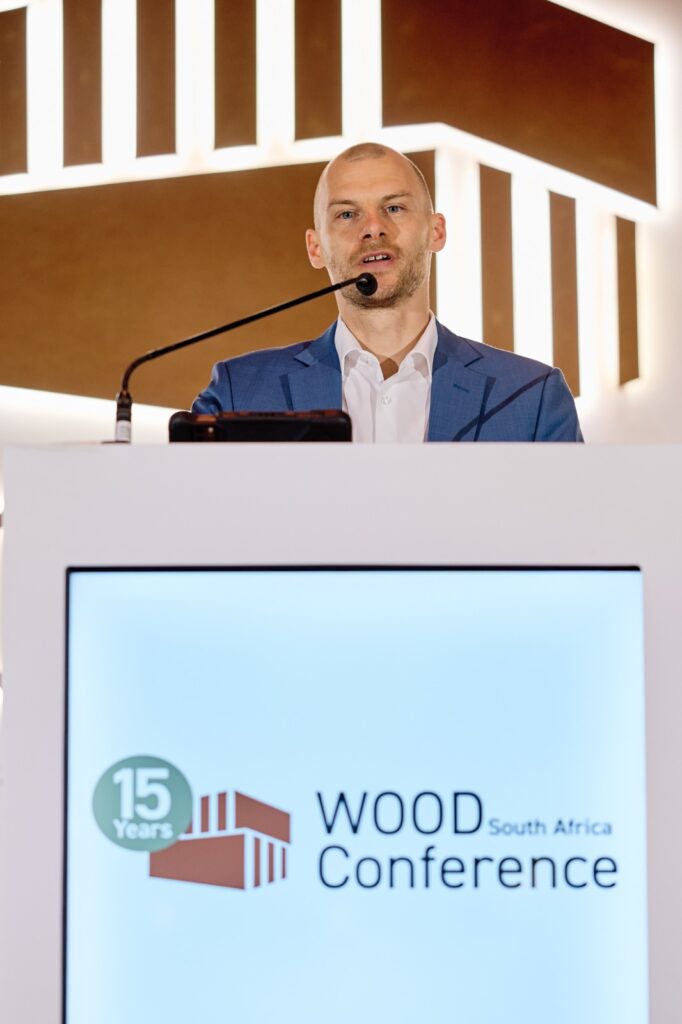
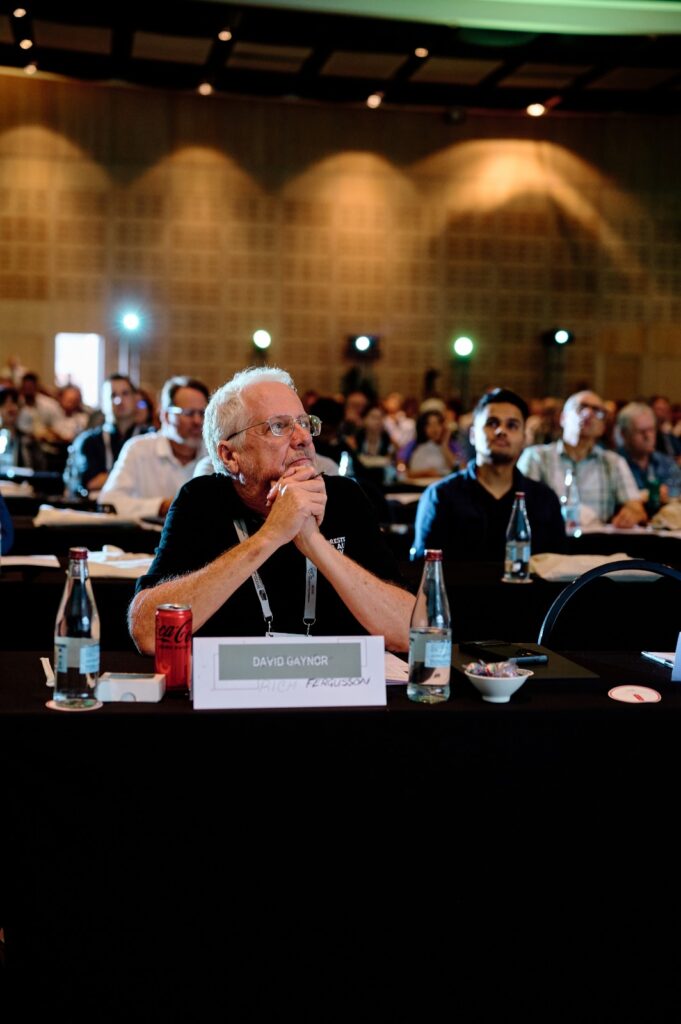
Hosted in the beautiful mother city of Cape Town, timber specialists from around the world convened at the CTICC for the 15th Annual Wood Conference. The word of the day was sustainability, and how innovation has driven a noticeable change in the green building industry.
Opening the conference, Kuratle Group CEO, Roger Kuratle, welcomed all in attendance, from aspiring varsity students to industry professionals. This year’s conference was truly a milestone for the green building community, because it celebrated 15 years of timber, innovation and expertise – a goal set out in 2011 by George Kuratle – to support architects, planners, builders and investors in recognising timber as a renewable, innovative and sustainable building material.
I would say my interest in wood started about a decade ago, when it was the only resource I could use to build and craft. At that time, everything was rigid with straight lines. However, fast forward a couple of years. I meet Joy Crane, editor of the Woodbiz Africa/SA Forestry digital magazine and immediately the spark of interest returns.
What I thought about timber back then, compared to what I learnt while working with Joy and at the conference, was mind-blowing. The possibilities seem endless, and if the rest of the world can build tall timber structures, why can't we?
Whether it is handmade or structurally engineered, wood can weave the past and present into the future of timber construction. For example, let’s take the Green Point Dome in Cape Town. It is a timber structure representing the past, built in a modernised environment using precision and calculated wood-bending techniques that are changing the forms of rigid structures in the future.



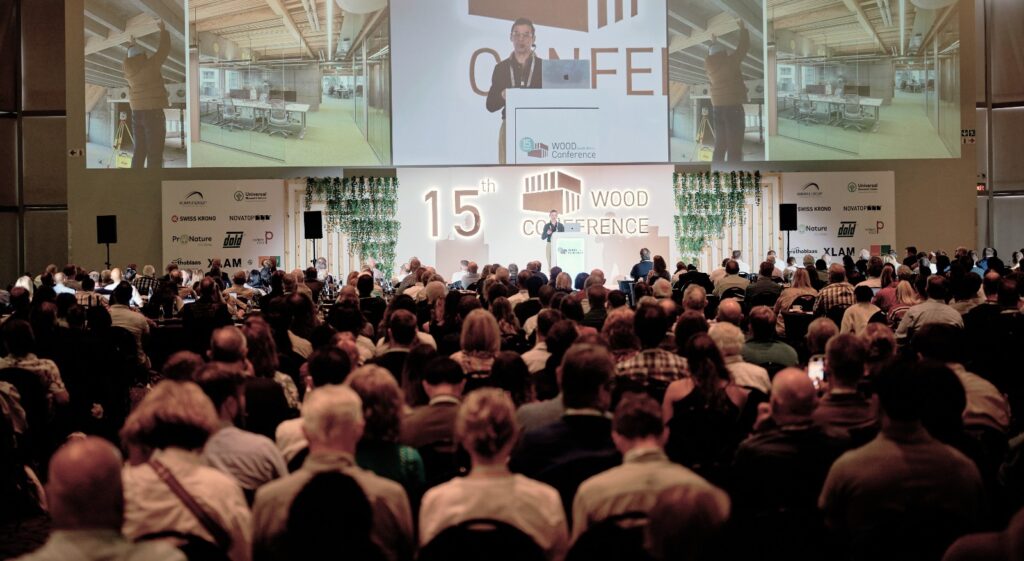

Each speaker at the Wood Conference presented with so much passion and dedication that it was hard not to pay attention. And although topics ranged, the messaging was clear: Timber is here to stay.
Centimetre by centimetre, the shift from traditional brick-and-mortar and concrete is being complemented or replaced by prefabricated engineered timber panels and glulam or LVL beams.
I also realised the shift to a more sustainable green-building approach addresses matters such as climate change, quality of life, and social and economic development.
Article written by Jamey Cupido.